Stories from home

Pulmonary rehab for bronchiectasis at home: how one family learned the exercises

She left the hospital in her late 80s with a physician's order. Her son, in the US, found our website.

Shared with the family's permission. Names are withheld.

Pulmonary rehab for bronchiectasis at home starts with a physician's order. From there, a licensed respiratory therapist (RT) makes a program and visits the home on schedule to do chest physical therapy, incentive spirometry and nebulization as the physician ordered. The RT tracks the patient's data from session to session and teaches the household breathing exercises to keep doing between visits.

She was in her late 80s when she was discharged from the hospital. She left with a physician's order saying she needed pulmonary rehabilitation for bronchiectasis.

Bronchiectasis is a lung condition that makes it hard to clear mucus. There is no cure, but it can be managed.

Two countries, the same request

Her son is a pharmacist in the US. He found our website, thought our services looked promising, and contacted us.

Her other children, in the Philippines, contacted us too, for the same service.

The program

We scheduled it and made a program: our licensed RT would visit twice a week.

The problem in front of us was plain. She could not bring up the phlegm on her own, and she could not breathe properly. The goal was to strengthen her breathing so she could bring up more phlegm.

Twice a week

At the visits, our licensed RT did chest physical therapy, incentive spirometry and nebulization.

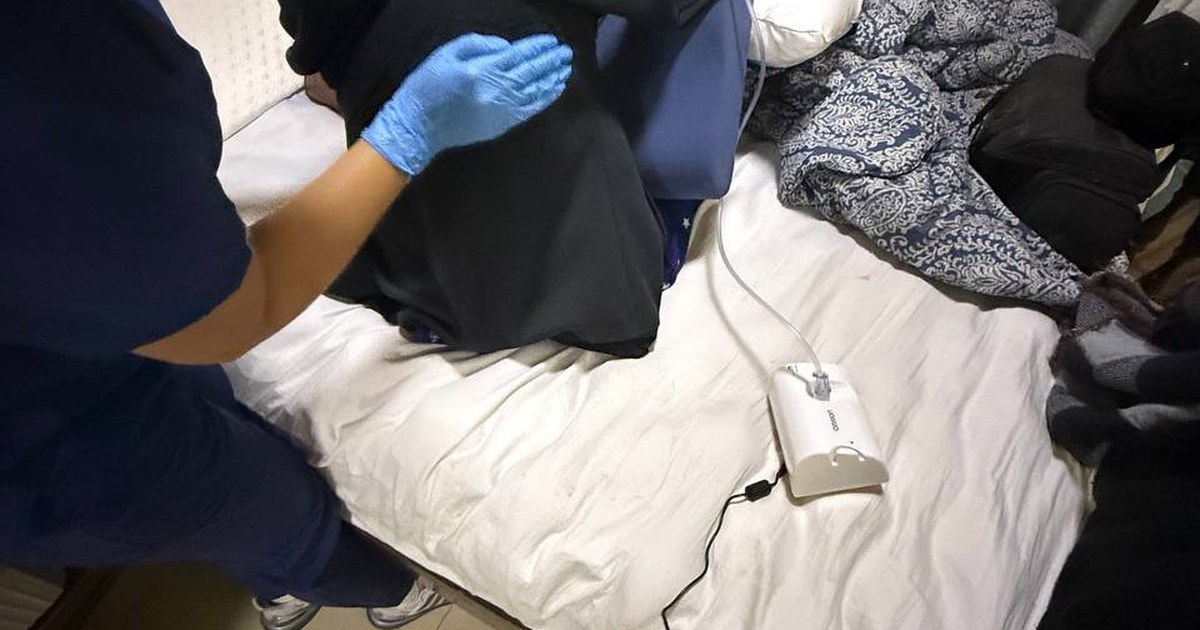
For the chest physical therapy she sat on the bed, the RT's gloved hands on her back, the nebulizer machine close by. The nebulization followed her physician's order.
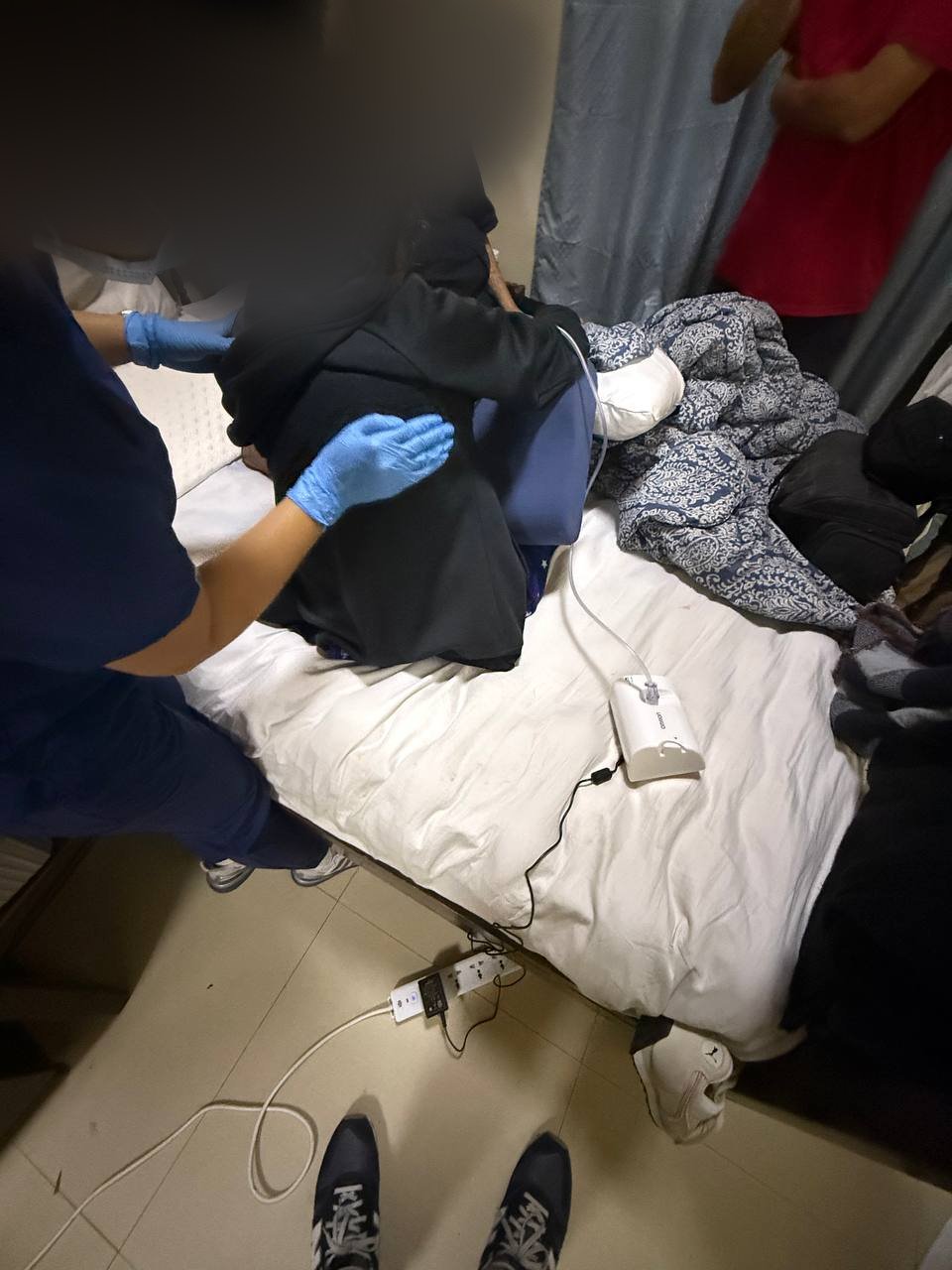
A respiratory therapist with gloved hands on a patient's back as she sits on a bed, a nebulizer machine nearby

The incentive spirometer is a small device that shows how much air a person draws in with a slow, deep breath.
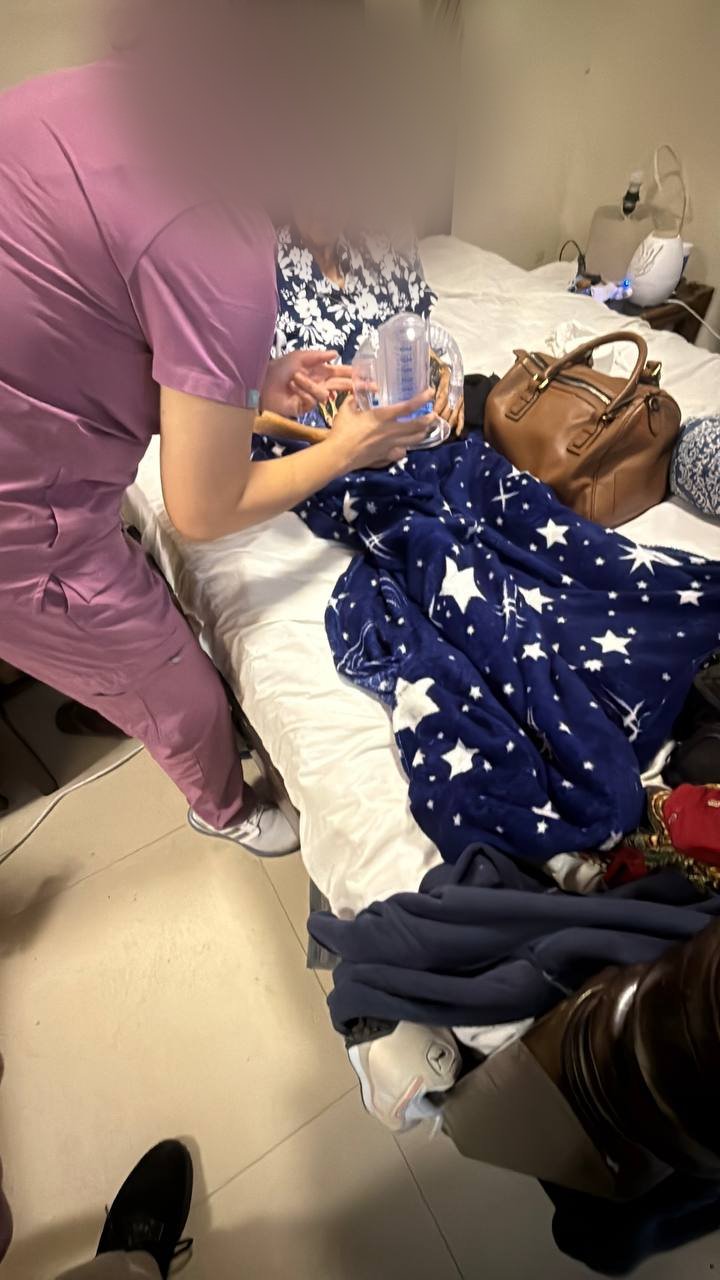
A respiratory therapist holding an incentive spirometer, with a patient seated on her bed

We tracked her data and her improvements from session to session. Her incentive spirometry was around 250 mL at the first session. By the third session, within the first two weeks, it reached around 600 mL. These are one person's readings, and another patient's may differ.

Around the dining table

The exercises had to be done consistently, and we were there twice a week. So we taught her husband, a son and other people in the household, including helpers, how to do certain breathing exercises.

The teaching happened around the dining table, with an incentive spirometer on it.
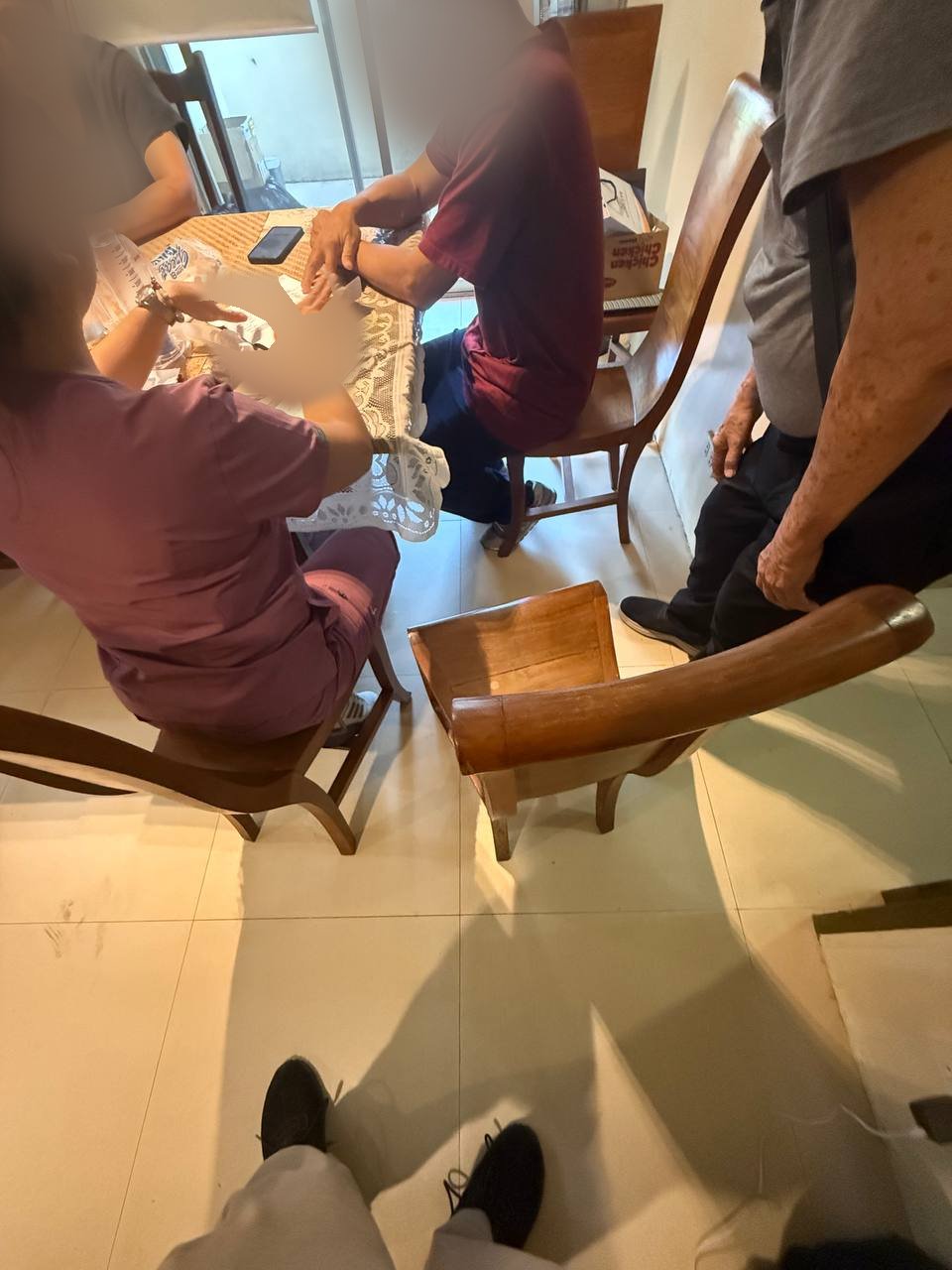
A respiratory therapist teaching relatives at a dining table with an incentive spirometer on it

They had a lot of questions. We answered them as far as our role allows. Specific clinical decisions we referred back to her pulmonologist and her doctor. We suggested. They decided.

What we saw

She was coughing out more phlegm. She was breathing more easily.

The family was more confident, and they were really happy with this.

Now

The program is finished. The household carries on with the exercises we taught them.

What happens at a home pulmonary rehab visit for bronchiectasis?

A home visit follows the physician's order and the program our licensed RT makes from it, so these are the parts it can include. Our page on RT-led pulmonary rehabilitation at home explains the service these visits belong to.

Part of the visitWhat it involves
Chest physical therapyHands-on work by the licensed RT on the chest and back to help loosen mucus so it can be coughed up.
Incentive spirometryThe patient breathes in slowly through a handheld device that shows how much air they drew in, and the RT tracks the readings from session to session.
NebulizationA machine turns liquid medication into a mist to breathe in. The nebulization and the medication are as ordered by the physician.
Caregiver teachingThe RT teaches family members and helpers the breathing exercises to do between visits, because they need to be done consistently.

What else should families know about pulmonary rehab for bronchiectasis?

Yes. We need the patient's physician's written order or prescription before pulmonary rehab starts. If you do not have one yet, you can still inquire and we will help you, but nothing is scheduled until the order is in hand.

There is no cure for bronchiectasis, but it can be managed. The patient's pulmonologist or doctor sets the plan for managing it.

Yes. Our licensed RT can teach family members and helpers at home how to do the exercises in the patient's program. Read about caregiver education at home to see what that teaching covers.

The patient's pulmonologist or doctor decides. Our RT answers questions as far as the RT's role allows, may make suggestions, and refers specific clinical decisions back to the doctor. Pulmonary rehab is one part of the support described on our home respiratory care page.

If a physician has ordered pulmonary rehabilitation for someone you love, send us your request through the home services form.